
Introduction
- Brief overview of the connection between scent and mood.
- The historical use of fragrances for therapeutic purposes.
- Importance of understanding the impact of fragrances on our daily lives.
Table of Contents
- The Olfactory System and Brain Connection
- Scientific Studies on Scent and Mood
- Common Fragrance Notes and Their Effects
- Aromatherapy: Using Scents for Well-being
- Practical Tips for Using Fragrances to Enhance Mood
- Personal Stories: How Scents Have Impacted Lives
- Conclusion
1. The Olfactory System and Brain Connection – Well-being
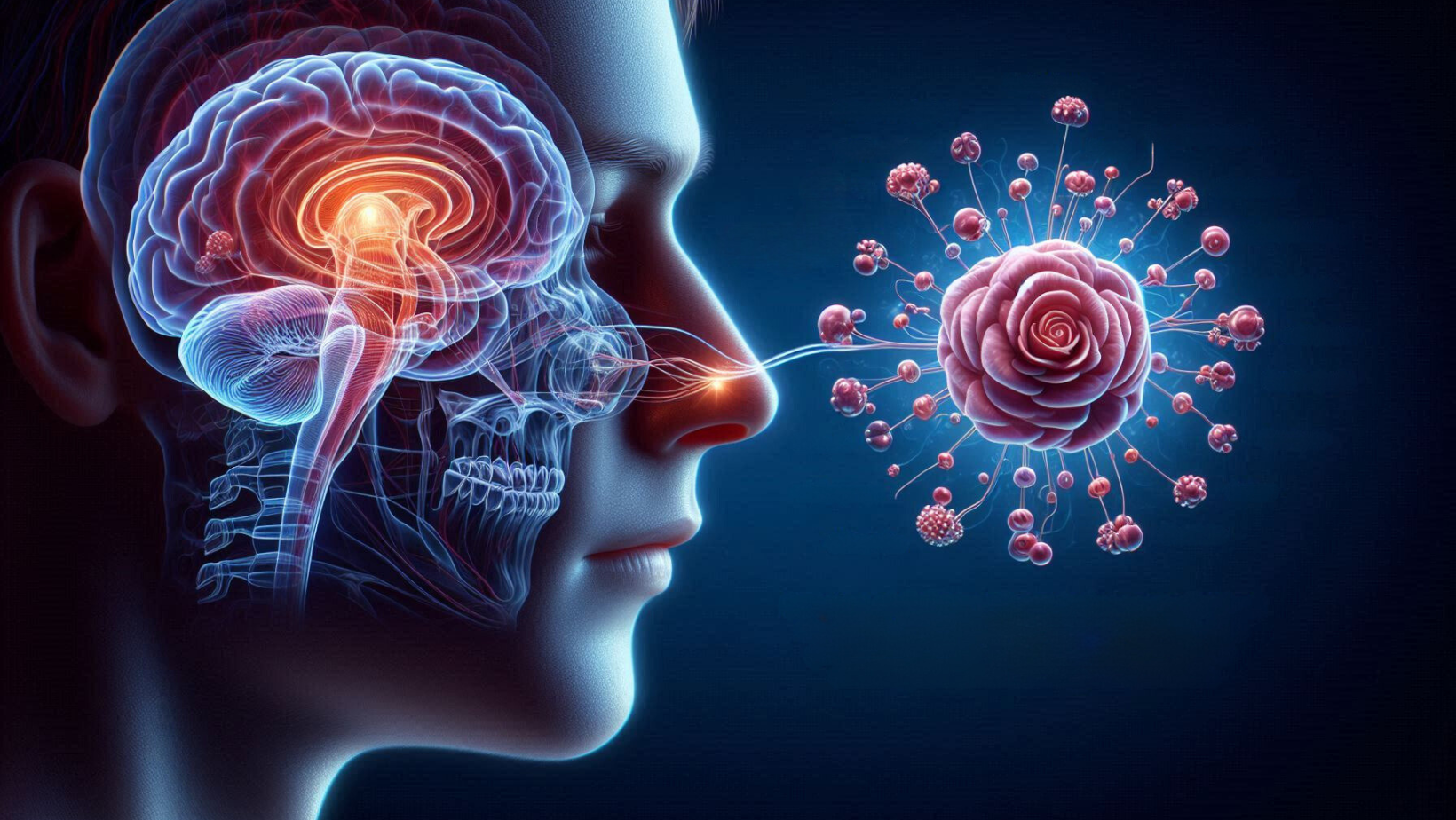
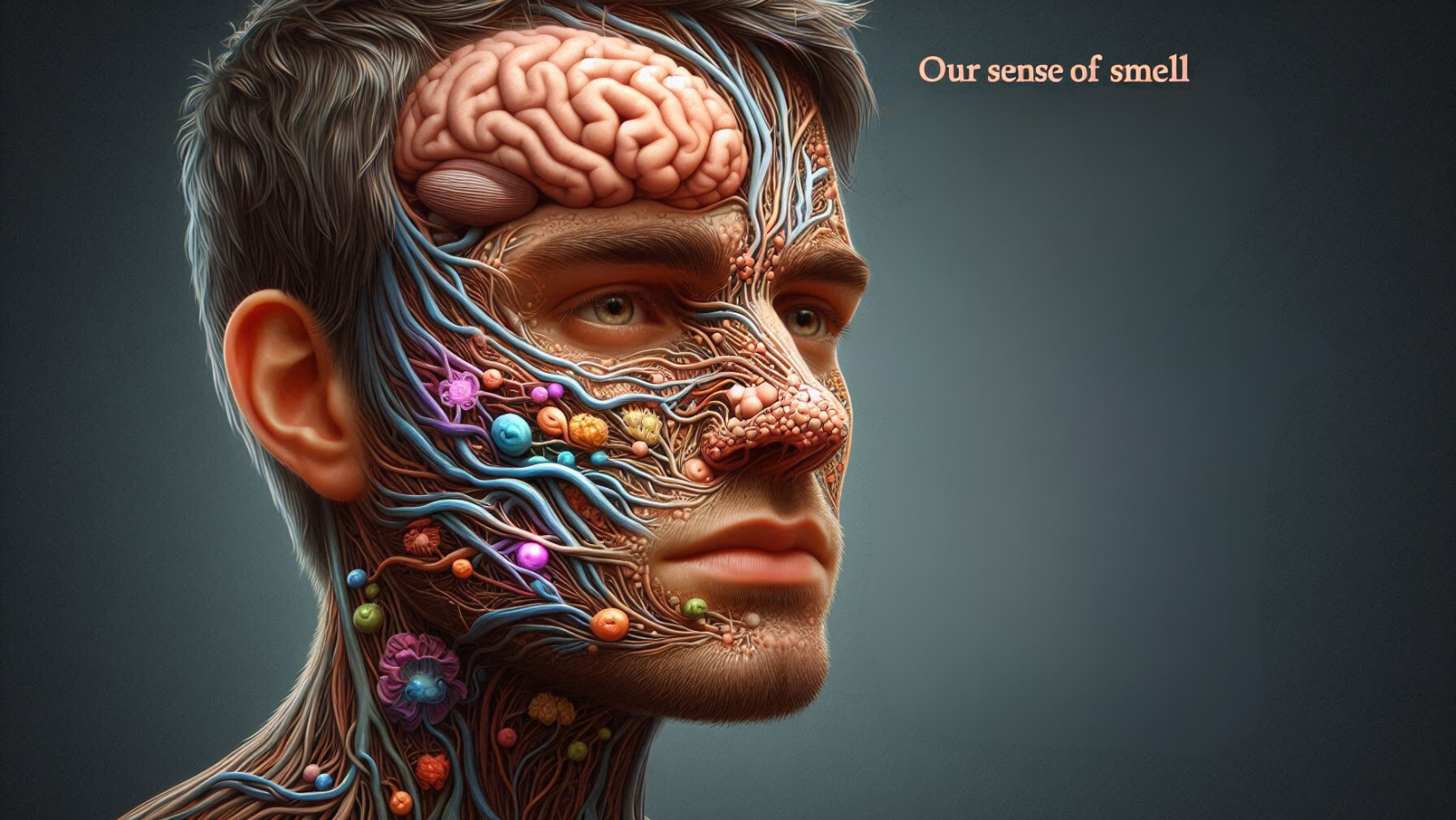
Our sense of smell, or olfaction, is one of the most direct links to our brain. The olfactory system starts in the nose, where scent molecules bind to receptors. These receptors send signals to the olfactory bulb, which is part of the limbic system, the area of the brain involved in emotion, behavior, and long-term memory. This close connection explains why scents can evoke powerful emotional responses and memories.

How Scents Affect Emotions
- The limbic system includes structures such as the amygdala and hippocampus, which are directly linked to our emotions and memories.
- When you smell something, it can trigger emotional responses and recall vivid memories almost instantly.
- This is why certain scents can make us feel nostalgic or bring back specific moments from our past.
2. Scientific Studies on Scent and Mood –
Numerous scientific studies have explored the relationship between scent and mood. For instance, research has shown that lavender can reduce anxiety and improve sleep quality, while citrus scents like lemon and orange can elevate mood and increase energy levels. Peppermint has been found to enhance cognitive performance and alertness. These studies underscore the potential of fragrances to significantly impact our mental state.
Key Findings from Research
- A study published in the journal “Frontiers in Psychology” found that exposure to pleasant scents can lead to improved mood and increased feelings of well-being.
- Another study in “Journal of Physiological Anthropology” reported that inhaling essential oils such as lavender and rosemary can reduce cortisol levels, a stress hormone, in the body.
- Research from “Behavioral Brain Research” indicated that peppermint oil can enhance memory and increase alertness, making it beneficial for studying or working environments.
3. Common Fragrance Notes and Their Effects

- Lavender: Widely used for its calming and relaxing properties, lavender is known to reduce stress and promote better sleep.
- Citrus (Lemon, Orange): These bright, zesty scents are uplifting and invigorating, making them perfect for boosting energy and mood.
- Peppermint: Known to enhance alertness and concentration, peppermint is often used to improve focus and productivity.
- Rose: With its gentle, soothing aroma, rose is associated with happiness and reducing anxiety.
- Sandalwood: This rich, woody scent has grounding and comforting effects, making it ideal for relaxation and meditation.
- Vanilla: Often associated with comfort and warmth, vanilla can create a soothing and inviting atmosphere.
The Role of Fragrance Combinations
- Combining different fragrance notes can amplify their effects. For example, a blend of lavender and chamomile can be particularly effective for relaxation.
- Using complementary scents can create a more complex and satisfying olfactory experience.
4. Aromatherapy: Using Scents for Well-being
Aromatherapy is the practice of using essential oils and other aromatic compounds to promote health and well-being. This method harnesses the power of scent to improve physical and mental health. Common methods include using diffusers, applying oils topically, and incorporating scented candles into your environment. Aromatherapy can help manage stress, alleviate pain, improve sleep, and boost overall mood.
Methods of Aromatherapy
- Diffusers: Using essential oil diffusers to disperse aromatic molecules into the air.
- Topical Application: Applying diluted essential oils to the skin for absorption.
- Inhalation: Directly inhaling essential oils for immediate effects.
- Baths: Adding essential oils to bathwater for a relaxing soak.
Benefits of Aromatherapy
- Stress Relief: Essential oils like lavender, bergamot, and ylang-ylang are known for their stress-reducing properties.
- Pain Management: Oils such as peppermint and eucalyptus can help alleviate headaches and muscle pain.
- Improved Sleep: Scents like lavender and chamomile promote relaxation and better sleep quality.
- Enhanced Mood: Citrus oils can elevate mood and reduce feelings of anxiety and depression.
5. Practical Tips for Using Fragrances to Enhance Mood
- Choosing the Right Scent: Select fragrances that align with your desired emotional state. For relaxation, opt for lavender or sandalwood. For energy, choose citrus or peppermint.
- Incorporating Scents into Your Routine: Use different scents at various times of the day. Start your morning with an invigorating citrus scent, and wind down in the evening with a calming lavender.
- Creating a Calming Environment: Use diffusers, scented candles, or room sprays to maintain a soothing atmosphere at home or work.
Creating a Scent Schedule
- Morning: Energizing scents like citrus or peppermint to start your day.
- Afternoon: Refreshing scents like eucalyptus or rosemary to stay focused.
- Evening: Calming scents like lavender or sandalwood to unwind and relax.
6. Personal Stories: How Scents Have Impacted Lives
Many people have experienced the profound effects of scents on their lives. For instance, Sarah, a college student, found that using a peppermint diffuser while studying helped her focus better and retain information more effectively. Similarly, Mark, a busy executive, uses lavender oil to unwind after a stressful day, helping him to relax and sleep better.
Additional Anecdotes
- Jane’s Story: Jane struggled with anxiety and found that incorporating rose and chamomile oils into her daily routine significantly reduced her symptoms and improved her overall well-being.
- Tom’s Experience: Tom used a combination of sandalwood and vanilla to create a comforting environment at home, which helped him deal with the stress of working from home during the pandemic.
7. Conclusion
Fragrances have a powerful impact on our mood and well-being, backed by both scientific research and personal experiences. By understanding the effects of different scents and incorporating them into your daily routine, you can enhance your emotional and mental health. Explore a variety of fragrances at our store, www.perfume-me.com, to find the perfect scent for your needs.



No comment